Star Domestic Cleaners
Menu
SURFACE MOULD & MOISTURE · SURBITON

Mould Removal Surbiton

Tell us about earlier property work as well as the patch you can see. In your Surbiton home, dates and observed changes help define the enquiry. We discuss accessible inspection, moisture concerns and suitable surface treatment without assuming what caused the growth.

  • Property history considered
  • Accessible moisture checks
  • Treatment and repair scope clear
Small affected wall area beside a kitchen window
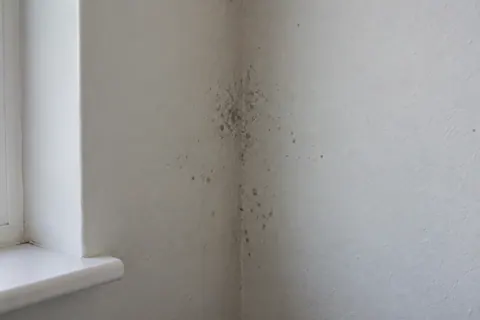
Dark surface speckles along a painted wall corner

Put recent changes into a simple timeline.

Mention repairs, decoration or building work that happened before the growth appeared, and explain what you have noticed since. Include earlier leaks, recurring wetness and products applied. Dates provide context, but a patch appearing after work does not prove the work caused it. Show the surface and its surroundings safely rather than opening a newly finished area to investigate what lies behind it.

Dust and household residue after works can be discussed through after-builders cleaning. That service has its own scope and is not a replacement for assessing mould, investigating moisture or confirming repair responsibilities.

Visible affected wall corner beside a freestanding cabinet

Keep records rather than changing the finish.

Have existing photographs, work dates and relevant repair information available. Tell us if a coating is new, fragile or already peeling, without testing it yourself. Explain furniture and fittings restricting access; do not open construction, disturb affected materials or move heavy items for the enquiry. Ask what belongings should be cleared safely and what arrangements people and pets need when assessment or treatment is agreed.

Keep the earlier work separate from the proposed response.

Moisture investigation

We consider accessible conditions, reported wetness and the history. Ask which findings support advice and what remains unclear. The assessment should not assume that a recent repair either solved every concern or caused the present patch without supporting findings.

Visible surface treatment

Suitable treatment is discussed after considering material, condition and extent. Fresh paint, weakened coatings or damaged seals may need a different response. Surface work does not automatically restore the finish or establish that hidden parts are unaffected.

Repair and reinstatement

Plumbing, building repairs, replacement, ventilation installation and decoration require separate agreement. Ask who will arrange each recommended task and what is included. Investigation or advice does not automatically include undoing earlier work or reinstating every material.

Explain which finishes and rooms changed.

Dark speckles on a bathroom seal and grout joint

Kitchen

Describe accessible wall or cupboard-edge patches and any known plumbing work. Do not move appliances or dismantle units for pictures. Cooking grease or general post-work dust remains an ordinary cleaning request.

Bathroom

Identify paint, grout, seal edges, tile and ceiling separately. Mention known repairs or extraction concerns and where growth returns. New or damaged seals still need their condition assessed rather than an assumed replacement.

Windows

Show the frame, adjoining wall and safely visible moisture. Include known frame work or water-entry history. A patch around the opening does not determine which source or repair needs attention.

Review the history before agreeing the visit.

Describe the changes

Send postcode, photographs, affected surfaces and relevant dates. Explain access restrictions and any persistent, extensive or suspected hidden concern.

Discuss current findings

We review accessible moisture concerns and suitable treatment. Ask what the present condition supports, what needs further professional assessment and which tasks sit outside surface work.

Set out the request

Agree named surfaces, included investigation, amount and preparation. Additional repairs or altered work need their own explanation and agreement before acceptance.

Investigate the present condition without assuming a link.

Condensation, leaks and water entry can be relevant questions, alongside the property history. Report what becomes wet and when. We discuss suitable next steps from accessible findings and identify uncertainty where further assessment is needed. Widespread, recurring or concealed mould requires appropriate professional assessment. A visible patch after decoration is neither a complete diagnosis nor evidence that simply repainting will resolve the moisture concern.

Condensation on a window with dark marks near the inner frame

Ask how investigation, treatment and other work are separated.

Extent, access, material condition and the assessment required shape the request. Check whether the amount includes investigation, suitable surface treatment or both, and what is additional. Ordinary room-cleaning rates are not a mould tariff. A recommended repair, replacement or decorative task needs its own confirmed scope. If findings change the proposal, ask for the revised work and charges before agreeing to proceed.

Keep the follow-up tied to the actual findings.

Follow instructions for the agreed work and ask which source-related concerns or repairs remain. Record returning wetness or growth with dates and safely taken photographs. A clearer surface does not show that every hidden condition is resolved. If everyday household help is wanted afterwards, regular home cleaning remains separate from moisture follow-up and does not guarantee against recurrence.

Avoid improvised treatment around new or old finishes.

Damp and mould can affect health; seek a healthcare professional’s advice about symptoms. Government damp and mould guidance explains why underlying causes matter. Do not mix chemicals or try additional products on affected material. Report previous applications and consult HSE cleaning-substance precautions for relevant safety information.

Share your Surbiton address and access details.

Give the postcode, affected rooms and a person who can arrange access. We can confirm times and assessment arrangements. In a rented property, report the concern to the landlord or agent. A move-out cleaning deadline should be mentioned separately rather than treated as authority for moisture repairs.

Before arranging the work

Does mould after decoration prove the decoration caused it?

No. The timing is useful history, but current conditions and moisture concerns need assessment rather than a conclusion based on sequence alone.

Should I provide records of earlier repairs?

Relevant dates, photographs and a description of what was done can help explain the enquiry. They do not automatically settle the present source.

Can after-builders cleaning deal with the mould instead?

It has a separate ordinary cleaning scope. Mould and moisture concerns need their own assessment and agreed response.

Should a newly painted surface be scraped for inspection?

Do not disturb the affected finish to prepare. Explain its condition and ask what preparation is appropriate for the agreed work.

Does treatment include repainting afterwards?

Not automatically. Decoration and repair or replacement tasks need separate agreement and a clear scope.

What if wetness returns after the work?

Record its location and timing, then seek follow-up on unresolved concerns. Visible treatment does not establish that every moisture source has been corrected.

Share the patch and the property history.

Send your postcode and relevant dates with safely visible details. We will discuss assessment, suitable treatment and separately needed next steps.

Generated photographs illustrate affected surfaces and room conditions. They are not customer cases or evidence of treatment results.