
Paint around windows
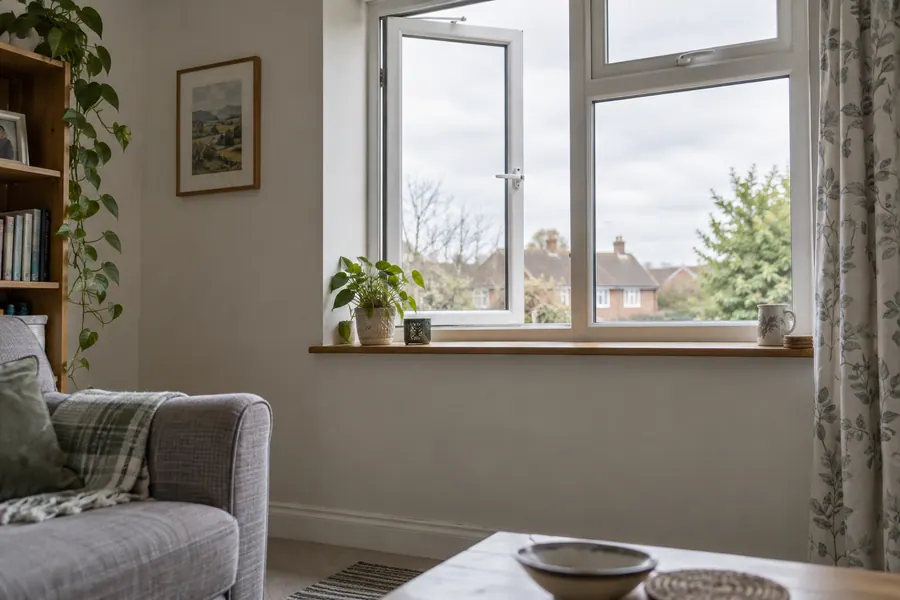
Include the frame, reveal and safely visible glass or wetness. Say whether the finish is lifting and whether you know of water-entry or window work. A mark nearby does not establish which source or repair is involved.
Different finishes need their condition considered before work is agreed. Describe the affected material in your St Johns Wood home, including earlier products or repairs. We discuss accessible inspection, moisture concerns and suitable visible surface treatment.

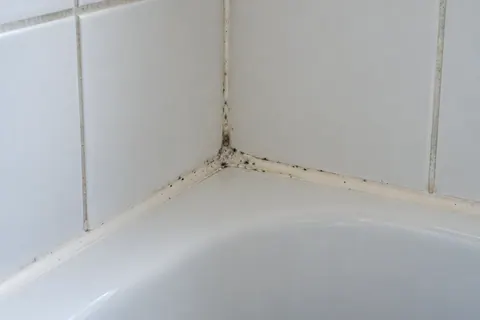
Painted plaster, grout, a seal edge and a window frame are not interchangeable surfaces. Name the material if you know it and show the surrounding room as well as the patch. Mention flaking, earlier coatings, staining or previous treatment without testing the finish yourself. If you are unsure, say so; there is no need to choose a treatment name before the condition has been assessed.
For ordinary dusting and household tasks elsewhere, regular domestic cleaning can be discussed separately. Mould investigation and treatment should remain a clear request of their own rather than being added to a usual cleaning checklist without agreement.

Include the frame, reveal and safely visible glass or wetness. Say whether the finish is lifting and whether you know of water-entry or window work. A mark nearby does not establish which source or repair is involved.
Show the affected grout, silicone edge, tile, wall or ceiling. State where the mark returns and any known extraction concern. Surface growth and a deteriorated seal can need different responses.
Explain wall or cupboard-edge patches with relevant plumbing history. Do not move appliances for inspection photographs. Greasy cooking surfaces are separate ordinary cleaning tasks, even when they share the room.
Visible treatment is discussed after considering the material, finish and extent. Fragile coatings, damage or involvement beyond the surface may need a different response. Ask what can reasonably be addressed; treatment is not a promise of specialist restoration or a new finish.
We consider accessible conditions and what you report about wetness, recurrence and previous work. Ask what supports the proposed next steps and what remains uncertain. Hidden concerns may require further professional assessment rather than an assumption that one accessible check answers everything.
Seal replacement, decorating, plumbing, construction repairs and ventilation installation require separate confirmation. Advice about a possible task does not include its supply or execution. Clarify who will arrange any follow-on work and what is actually quoted.
Keep names of earlier products and dates of repairs or decoration if available. Explain furniture, fittings or belongings limiting access rather than disturbing an affected finish. Do not scrape material, mix chemicals or open construction to prepare. Ask which items can be cleared safely and how occupants and pets should be accommodated. If other rooms need a one-off household clean, list those tasks separately from the mould request.
Share postcode, material, extent, photographs and history. Include access restrictions and any widespread, recurring or suspected hidden concern.
Discuss accessible inspection, moisture observations and suitable surface treatment. Ask about remaining marks, damaged finishes and issues that need another assessment.
Confirm surfaces, included work, amount and preparation. Additional repairs need their own scope, and changes following findings should be explained before you agree to them.
A patch on paint, sealant or a frame may raise questions about condensation, leaks or water entering the property. Report visible changes and timing rather than treating the material or location as a diagnosis. We investigate accessible moisture concerns and discuss appropriate next steps. Persistent, extensive or concealed mould needs suitable professional assessment. Treating a visible face does not necessarily settle the reason it became affected.

The request depends on condition, extent, access and the investigation and treatment appropriate to the surfaces. Check what assessment is included and whether any later work is charged separately. Everyday cleaning rates do not supply a mould tariff. Have the amount and scope explained before acceptance, particularly when a weak coating or damaged material could require attention beyond surface work.
Damp and mould can affect health; a property enquiry cannot diagnose symptoms. Government damp and mould guidance explains why causes need attention. Avoid improvised chemical treatment or combining products, and tell us what has already been applied. HSE cleaning-substance guidance provides relevant precautions.
Follow the instructions for the agreed treatment and ask what moisture or material issues remain. If marks or wetness return, keep dates and safely taken photographs for follow-up. A change in surface appearance does not demonstrate that concealed moisture is resolved. Tenants should also report the concern to their landlord or agent; a move-out clean does not replace that discussion or authorise repairs.
Describe affected rooms, occupancy and who can provide access. We can confirm arrangements and available times for the requested assessment. The address alone does not tell us which surfaces are suitable or which additional tasks are needed; those still require discussion and agreement.
Describe what is visible and provide safely taken photographs. We can discuss assessment rather than asking you to choose a treatment for an uncertain finish.
That cannot be assumed. Surface treatment, staining and repair of damaged finishes are different questions to discuss after inspection.
No universal treatment should be assumed. State any concerns about the material so suitability and limits can be considered before work is agreed.
Replacement is separate from treating suitable surface growth unless it is explicitly agreed. Ask what is proposed for the seal condition.
Yes, unresolved moisture or other concerns can lead to recurrence. Ask what source-related next steps and follow-up observations are needed.
Do not change or disturb the affected finish to prepare. Preserve the information about its condition and ask for agreed preparation instructions.
Send your postcode, surface details and history. We will explain accessible assessment, suitable treatment and any work needing a separate scope.
Generated photographs illustrate affected surfaces and room conditions. They are not customer cases or evidence of treatment results.