Star Domestic Cleaners
Menu
SURFACE MOULD & MOISTURE · STOKE NEWINGTON

Mould Removal Stoke Newington

An assessment should leave you clear about what happens next. Describe the affected surfaces in your Stoke Newington home. We discuss accessible moisture investigation and suitable visible treatment, with any further checks or separately needed work explained.

  • Findings explained plainly
  • Suitable surface work discussed
  • Next steps distinguished
Small affected wall area beside a kitchen window
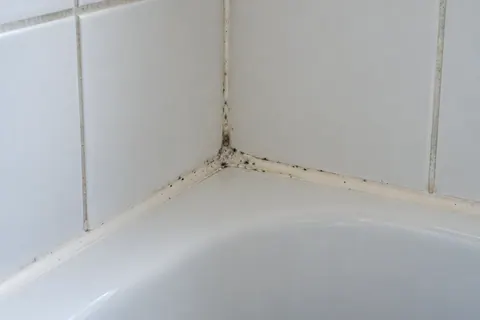
Dark speckles on a bathroom seal and grout joint

Ask what happens after the surface work.

Tell us where the mould is, when it appeared and what you have observed about moisture. Add any previous repairs, reports or treatments. A useful enquiry considers both the visible patch and what may still need attention afterwards. If you have received earlier advice, share the relevant details without assuming that a recommendation was completed or that it explains the present condition.

Ordinary household help can be arranged through regular domestic cleaning. Keep that request separate: dusting and everyday room tasks do not replace mould investigation, suitable treatment or any source-related follow-up.

Turn observations into questions for investigation.

Condensation, leaks and water entering the building are possible concerns to consider. Explain what becomes wet and when, rather than deciding the source from the position of growth. We investigate accessible conditions and discuss supported next steps. Persistent, extensive or suspected concealed mould requires appropriate professional assessment. Advice about a possible cause should distinguish what is observed from what needs further checking; visible treatment alone is not evidence that moisture is corrected.

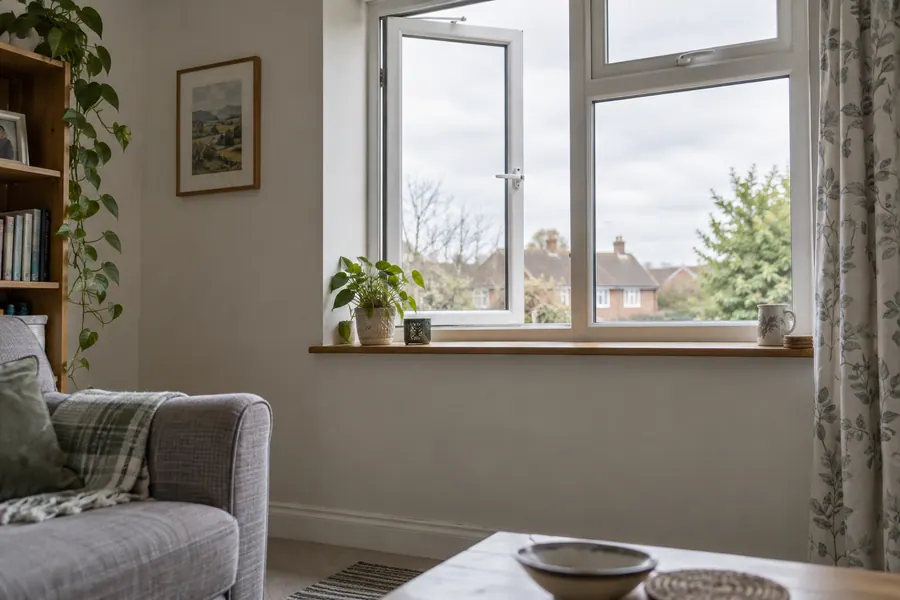
Partly open window in an ordinary sitting room

Know which next step belongs to which task.

Investigation and advice

We discuss accessible moisture concerns using the reported history and findings. Ask what is supported, what remains uncertain and whether another assessment is needed. Advice should help you understand the next action without implying every hidden condition has been checked.

Suitable surface treatment

Treatment is considered for visible, accessible materials after their condition and extent are assessed. Ask which areas can be addressed and what may remain, including stains or weakened finishes. Surface work does not automatically renew damaged materials.

Repair or installation

Recommendations for plumbing, building repairs, ventilation, seal replacement or decoration need a separate agreement for the exact work. Confirm who will arrange it and what is included. A suggestion to improve a condition is not an installation package.

Keep a clear record of outstanding work.

Follow the instructions for the agreed treatment. Ask which recommendations concern everyday use of the room and which require another assessment or a separately arranged repair. Record returning growth or wetness with dates and safely taken photographs. A clearer wall does not prove every underlying concern has gone. Tenants should report damp or mould to the landlord or agent, including any relevant findings and recommended next steps.

Give advice a room and surface context.

Dark marks at a bathroom ceiling and window corner

Window surroundings

Show the frame, reveal and safely visible wetness. Mention previous frame work or water entry. Recommendations should relate to the assessed condition rather than assume all window-area patches share one explanation.

Bathroom

Name affected grout, sealant, tile, paint or ceiling and describe recurrence. Explain known extraction concerns. Ask separately about damaged seals or finishes rather than assuming treatment includes replacing them.

Kitchen

Report accessible wall or cupboard-edge patches and relevant plumbing history. Do not open units or move appliances for investigation photographs. Cooking grease elsewhere remains a separate cleaning task.

Leave the agreement easy to understand.

Start with the history

Provide postcode, rooms, surfaces, photographs and previous work. Say if a patch is large, repeated or partly concealed and explain access limits.

Review the response

Discuss accessible findings, suitable surface treatment and unresolved questions. Ask what further professional assessment or separate task is proposed and why.

Confirm responsibilities

Agree the amount, named surfaces and included investigation. Check preparation and access, then make sure any additional work has its own stated scope rather than being implied.

Have advice and additional work distinguished in the quote.

Material, extent, access and the investigation required shape the request. Ask whether assessment and agreed surface treatment are included together. Check the amount before acceptance and how changes following findings will be handled. Ordinary domestic cleaning rates are not a mould tariff, and the cost of a recommended repair cannot be assumed to be included because it was discussed during assessment.

Visible affected wall corner beside a freestanding cabinet

Bring the earlier advice, not a changed surface.

Keep previous records, repair dates and product names if available. Describe furniture or belongings limiting access; do not dismantle construction, disturb affected material or move heavy items to investigate. Ask what can be cleared safely and how people and pets should be accommodated. If rooms need other attention, list that under a separate one-off clean so the assessment request stays clear.

Use the right source for health and chemical questions.

Damp and mould can affect health. Consult a healthcare professional about symptoms rather than treating a property assessment as diagnosis. Government guidance on damp and mould explains why causes matter. Avoid mixing products or improvising treatment. Explain what has already been used and refer to HSE cleaning-substance guidance for precautions.

Discuss your Stoke Newington address and timing.

Share the postcode, rooms and access contact so arrangements and available times can be confirmed. Mention a handover deadline if relevant. Move-out cleaning has a separate scope and does not settle the mould investigation or any repair recommendations.

Before arranging the work

What should I ask after the assessment?

Ask which findings support the recommended response, what remains uncertain and which next steps involve separate assessment, repair or installation.

Does ventilation advice include fitting a system?

Not automatically. Exact supply, installation and any electrical work need separate confirmation and an agreed scope.

What does suitable surface treatment address?

The appropriate response depends on findings and surfaces. Ask what the agreed treatment addresses and what moisture concerns need further attention.

Should I keep an earlier repair report?

Yes, relevant dates and work details help explain the history. They do not by themselves establish the source of a present patch.

What if recommendations have not been carried out?

Tell us what was recommended and what has happened since. The next assessment should consider the current conditions and outstanding concerns.

Can a returning mark need more than another clean?

Yes, recurrent or suspected hidden mould needs appropriate professional assessment. Record the return and observed wetness rather than assume repeated surface work resolves it.

Ask for clear next steps.

Send your postcode and the surface history. We will discuss accessible assessment, suitable treatment and what needs separate agreement.

Generated photographs illustrate affected surfaces and room conditions. They are not customer cases or evidence of treatment results.