Star Domestic Cleaners
Menu
MOULD & MOISTURE · UXBRIDGE

Mould Removal Uxbridge

One visible patch and several affected rooms need different descriptions. Tell us how the problem has developed, not just where it looks worst. We’ll discuss inspection, moisture investigation and suitable work for the Uxbridge address.

  • Each affected area described
  • Moisture findings considered together
  • Treatment scope made clear
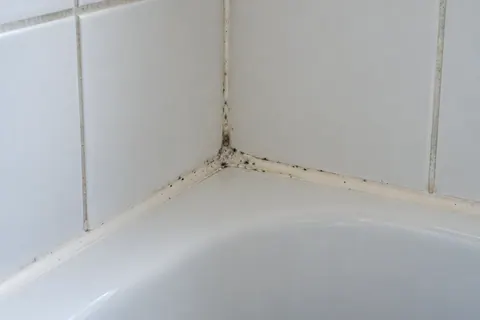
Small dark marks at a bathroom wall and tile corner
Dark speckles on a bathroom seal and grout joint

Give each affected area its own description.

List the rooms and surfaces you can see without disturbing anything. A patch near a window, a marked ceiling and a musty cupboard may have different histories. Say when each appeared, whether it returns and where wetness or staining is noticeable. An overall photograph of a room and a detail view of the affected surface are useful starting points.

The most visible patch does not necessarily explain the entire property. Make clear if another area cannot be reached or inspected easily. Do not remove finishes or move heavy furniture to complete the list. Discuss those access limits alongside the areas that can safely be described.

Connect the room with the actual material.

Condensation on a window with dark marks near the inner frame

A bathroom wall or ceiling

Identify paint, tiles, joints or sealant and describe the extent of the visible growth. Mention an extractor which is not working as expected, without deciding that it is the only cause. A stained finish and failing sealant may need different work from accessible surface treatment.

A window and its surrounding wall

Include the frame, reveal and adjacent corner in the description. Tell us when condensation or wetness appears and if it affects more than one window. The position of a patch is a clue for investigation, not a diagnosis of the moisture source.

A kitchen or cupboard area

Explain the material and anything known about nearby plumbing. An affected surface behind an appliance needs its restricted access made clear. Cleaning grease elsewhere in the kitchen is a separate task, not a substitute for investigating mould and dampness.

A pattern across rooms needs appropriate assessment.

Condensation, a leak or water entering a building can be relevant, and more than one issue may be present. Explain recent changes and previous repairs. Widespread, recurring or suspected concealed mould needs appropriate professional assessment rather than repeatedly wiping the visible marks. Surface removal alone may leave the reason for moisture unresolved.

Keep any existing findings from a landlord, plumber or other professional available. They help explain what has already been considered, but a previous repair should not be assumed to have resolved every area now reported.

Small affected wall area beside a kitchen window

Agree what the visit covers.

Accessible affected surfaces

We consider the materials, extent and condition before agreeing suitable cleaning or treatment. Identify the areas requested and ask about any surface that cannot reasonably be included.

Inspection and moisture concerns

We inspect accessible areas and investigate moisture conditions to establish suitable next steps. Ask what the findings mean and whether a further check is needed where the cause remains uncertain.

Separate repairs

Treatment is not an automatic agreement to repair plumbing, replace finishes or carry out structural damp work. Clarify each additional task, who is arranging it and whether it has its own quotation.

From room information to an agreed proposal.

Describe the history

Send photographs, dates and information about earlier treatment. Explain which areas have returned after cleaning and any access restriction.

Review the findings

We discuss what has been observed and what moisture investigation indicates. Ask about limits and further assessment before interpreting an initial observation as a complete explanation.

Confirm the work

Check the named surfaces, investigation and treatment in the proposal. Preparation, occupant arrangements and any changed scope should be explained before the work is accepted.

Visible affected wall corner beside a freestanding cabinet

Clear information matters before clearing a room.

Gather the room list, care or finish details where known, photographs and names of products already applied. Ask what belongings should be moved and how access will be managed. Avoid opening walls, brushing affected material or dismantling furniture yourself. For unrelated household tasks, use the separate home deep clean service with its own scope.

Arrange access without improvising treatment.

Do not mix cleaning substances or add several products while waiting for advice. HSE information about cleaning substances explains chemical precautions. Discuss practical requirements for occupants and pets when planning the work. If someone has a health concern, seek appropriate healthcare advice rather than a diagnosis through a cleaning enquiry.

Follow up the findings for each room.

Keep the treatment and aftercare information together with any outstanding moisture tasks. Report where a patch reappears and roughly when. A cleaner-looking wall does not show that a hidden leak or building issue has been corrected. Once suitable work is addressed, regular cleaning for ordinary household jobs is a separate service, not continuing mould remediation.

Request a quote that identifies the areas.

The extent, materials, access and investigation affect the work proposed. Ask which room surfaces and treatment tasks the total includes and which further checks or repairs are separate. A bedroom count or general room-cleaning rate is not a mould tariff. If a property handover is approaching, arrange the ordinary handover clean separately and explain the deadline without assuming it changes the mould work needed.

Discuss the actual Uxbridge postcode.

We serve Uxbridge. Give the address and relevant access details when requesting an appointment. If more than one person is arranging entry or approving work, explain that before the visit. Timing and arrangements need confirmation for the problem described; district coverage alone is not an available slot.

Questions when several areas are affected

Should I send a photograph of every room?

Describe each affected area and send views you can take safely. Overall context is helpful alongside a surface detail.

Does one leak explain all the patches?

It may not. Provide the history for each location so the investigation can consider possible connections and differences.

Can I leave an inaccessible patch off the enquiry?

Mention it even if you cannot photograph it. Restricted access affects the assessment and suitable scope.

Is treatment the same on tile and painted walls?

The material and condition must be considered. Ask what is proposed for each surface rather than assuming one approach covers everything.

Can I book a general clean for the whole problem?

Ordinary cleaning has another scope. Mould and moisture concerns need their own assessment and agreed treatment.

Will the quote include every repair identified?

Check the included work explicitly. Further investigations, repairs and replacement can be separate tasks with separate arrangements.

Explain the whole picture.

Call with your Uxbridge postcode and the affected room list. Discuss inspection, the moisture concerns and a clear quotation for suitable work.

Generated photographs illustrate affected surfaces and room conditions. They are not customer cases or evidence of treatment results.