Star Domestic Cleaners
Menu
SURFACE MOULD & MOISTURE · RUISLIP

Mould Removal Ruislip

Is the mark sitting on a sound surface, or is the finish breaking down as well? Tell us what you can see in your Ruislip home. We assess accessible mould and moisture concerns, explain suitable treatment and identify work needing a separate agreement.

  • Surface condition discussed
  • Moisture concerns investigated
  • Repair limits made clear
Visible affected wall corner beside a freestanding cabinet
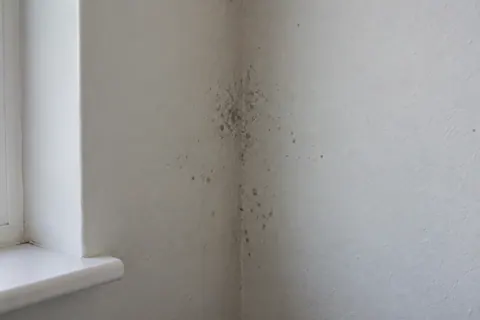
Dark surface speckles along a painted wall corner

Include the condition of the finish.

A close photograph helps show the patch, but a wider view gives useful context. Mention peeling paint, loose seals, staining or earlier damage without testing or scraping the area. Tell us when you first noticed it, whether it has spread and what has already been applied. This information helps us arrange assessment and avoids treating every dark mark as the same job.

If you also want unaffected rooms cleaned, explain those tasks through a separate one-off home clean. General household cleaning and mould investigation have different purposes; agreeing one does not include the other.

Treatment and the condition beneath it are different questions.

Surface work

We discuss treatment of suitable visible, accessible surfaces after assessing their material and condition. A weak finish or damage beneath the face may call for another response. Removing growth cannot be presented as renewing all paint or restoring every stain.

Moisture investigation

The assessment considers accessible conditions, reported wetness and earlier repairs. Ask what findings support the proposed response and whether any source remains unclear. There may be more than one moisture concern, including matters requiring another professional.

Repair boundaries

Replacing seals, replastering, decorating, plumbing and building repairs are separate work unless expressly agreed. If a finish needs attention, ask which task is recommended and who will arrange it. Confirm any additional repair task separately from the treatment quote.

Name the material as well as the room.

Dark speckles on a bathroom seal and grout joint

Bathroom finishes

Photograph tile, grout, seal edges and adjoining paint where safely visible. Say whether the affected seal is loose or the coating is peeling. Do not pull seals away or remove material for a closer look.

Window reveals

Show the frame, glass and surrounding wall in one view. Describe droplets, dampness or known earlier water entry. A mark beside a window does not by itself identify the cause or establish a replacement requirement.

Kitchen walls

Explain whether the patch is on painted wall, cupboard surroundings or another visible surface. Mention known plumbing concerns and keep grease on other surfaces as a separate ordinary cleaning request.

A clearer finish still needs a moisture explanation.

Condensation, leaks and water entering a property are possible matters to investigate, rather than conclusions to choose from a photograph. Describe observed conditions and their timing. We discuss accessible findings and suitable next steps. Large, recurring or partly concealed problems need appropriate professional assessment. A surface change alone does not demonstrate that moisture has been resolved or that the material behind the finish is sound.

Condensation on a window with dark marks near the inner frame

Agree what can reasonably be addressed.

Describe the concern

Send location, material, approximate extent and history. Tell us about access restrictions, products used and damaged finishes before the assessment is arranged.

Discuss the findings

We explain accessible moisture concerns and suitable treatment options. Ask which marks can be addressed, which may remain and which surfaces require a different response.

Confirm the scope

Have the named surfaces, investigation, preparation and quote stated clearly. If an additional repair is proposed, check its own agreement rather than assuming it is part of cleaning.

Ask what the quote covers on damaged surfaces.

Extent, access, material condition and the investigation needed can change the work. Confirm whether the amount covers assessment, agreed treatment or both, and ask about anything additional. There is no reason to use an ordinary room-cleaning rate as a mould price. A provisional enquiry should lead to a clear scope and amount before you accept work, with any later change explained.

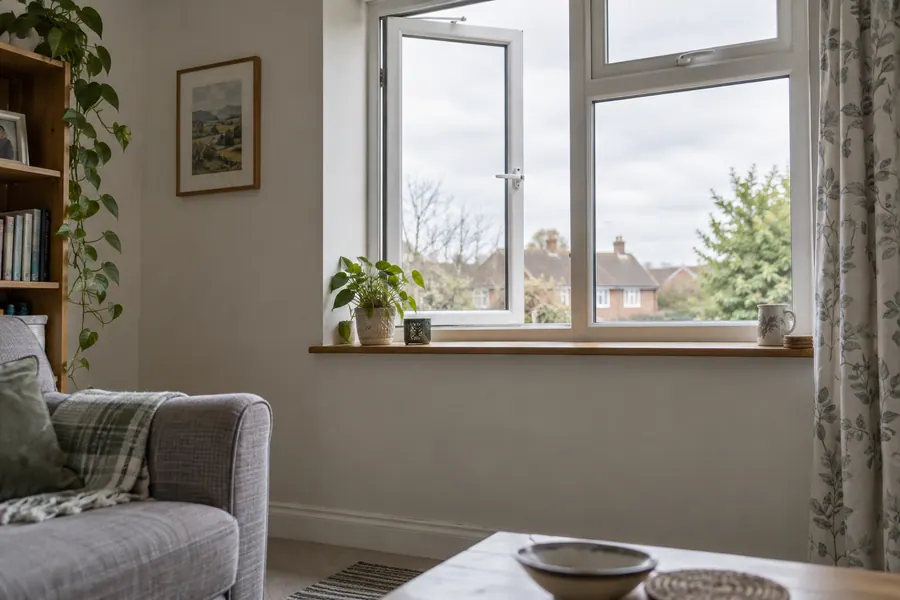
Partly open window in an ordinary sitting room

Keep evidence of earlier work available.

If you know when the wall was painted or a seal replaced, include that information. Keep product names and existing photographs, and describe furniture blocking access. Do not scrape, repaint over, mix products or dismantle affected areas while preparing. Ask what belongings should be moved safely and what arrangements people and pets need. For everyday cleaning elsewhere, regular home visits can be discussed separately.

Health concerns need the right advice.

Damp and mould can affect health. Seek advice from a healthcare professional about symptoms; assessment of a wall is not a medical diagnosis. Government guidance on damp and mould explains the importance of addressing causes. Avoid improvised chemical treatment and report products already used. HSE cleaning-substance precautions provide further safety information.

Check remaining marks and remaining tasks.

Ask what the agreed treatment is expected to address and what instructions follow it. Staining, loose coatings or other damage may still need separate attention. Keep a dated record if wetness or growth returns and seek further assessment of unresolved concerns. In a rented home, notify the landlord or agent; end-of-tenancy cleaning does not settle the moisture or repair question.

Enquire for your Ruislip address.

Give your postcode and the affected rooms so we can confirm arrangements and available times. Describe whether the property is occupied and who can provide access. Coverage does not establish that every surface can be treated or that a repair is included; the request still needs assessment and agreement.

Before arranging the work

Will surface treatment make damaged paint look new?

Not necessarily. Treatment, remaining staining and repair of a weak finish are different matters. Ask what can reasonably be addressed after the material is assessed.

Should I remove loose paint before the visit?

Do not disturb affected material for the enquiry. Explain its condition and ask for preparation instructions when the work is agreed.

Can mould near a seal mean replacement is needed?

Condition needs assessment. Suitable surface treatment and replacing a damaged seal are different tasks; replacement should not be assumed in a treatment quote.

What photographs are useful?

A wider room view and a clear close view of the visible patch are useful. Stay within safe access and do not dismantle anything to show it.

Is there a standard Ruislip room price?

Ask for a quote based on the surfaces, extent, access and investigation required. Ordinary cleaning rates do not define this service.

What if the same mark returns?

Record when it returns and any visible wetness. Further attention to unresolved moisture or concealed concerns may be needed rather than simply repeating surface work.

Discuss the affected finish.

Send your postcode, photographs and what you know about the material. We will explain assessment, suitable treatment and any separate next steps.

Generated photographs illustrate affected surfaces and room conditions. They are not customer cases or evidence of treatment results.