
Wool pile
A wool label is a useful starting point, not a treatment instruction by itself. Tell us if it is a blend and keep the maker’s care guidance. Earlier shrinkage, a rough patch or a change in the pile should also be mentioned.
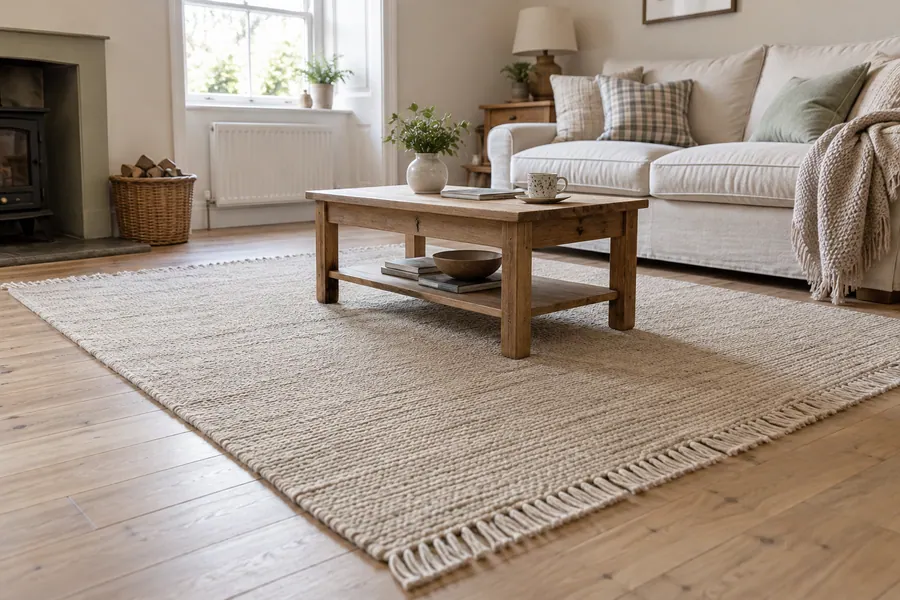
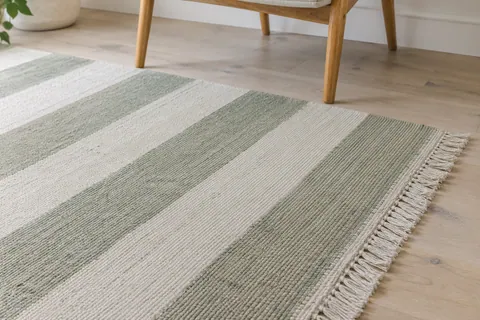
A loose rug is quoted as an item, rather than a carpeted room. Start with its measurements, label and condition. We can discuss cleaning suitability and the arrangements for your Acton address.
A rug beneath a dining table can look much smaller than it is. Measure the whole rectangle, including any portion under furniture, without lifting something heavy just to get a figure. State the units and explain whether fringe is included. For a circular piece, give the diameter. An estimate is useful initially if you clearly identify it as an estimate.
Write down the number of separate pieces. Two similar runners may have different labels or backing, so identify each one. Our guide to fitted carpet cleaning covers floors measured by rooms; those figures should not be used to calculate a loose rug price.
A wool label is a useful starting point, not a treatment instruction by itself. Tell us if it is a blend and keep the maker’s care guidance. Earlier shrinkage, a rough patch or a change in the pile should also be mentioned.
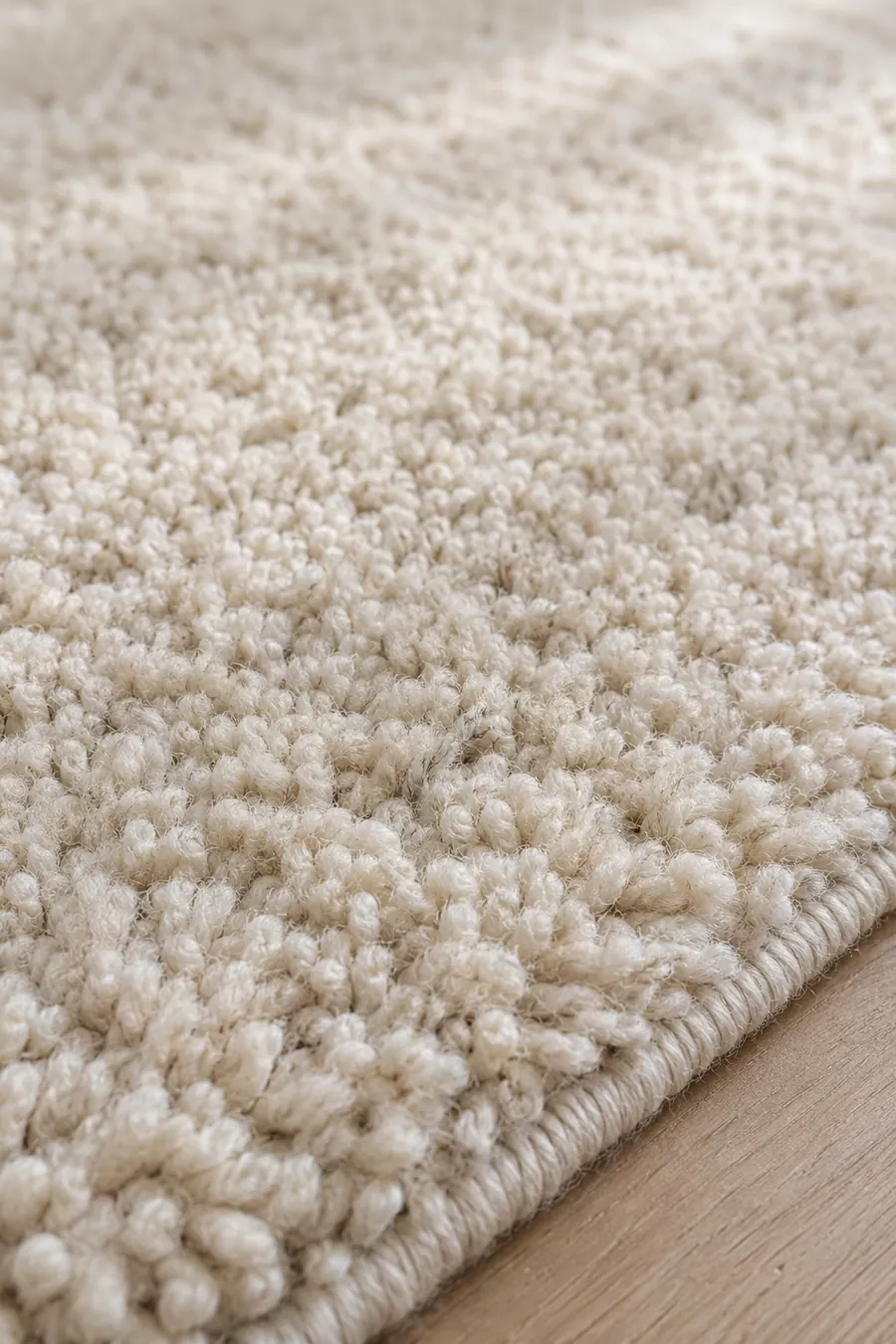
Read the composition rather than judging it from how soft it feels. Synthetic fibres can sit on a backing with different care restrictions. Include any product coating or previous treatment you know about, even if the face seems straightforward.
Cotton flatweaves, mixed fibres and fine pieces need their own suitability discussion. Do not assume a small rug belongs in a washing machine. Valuable, silk or antique items should be described before booking; specialist restoration is not established by their appearance.
If red dye has spread into a cream border, explain when you first noticed it and what happened beforehand. Mention wet shoes, spills or a home cleaning product if relevant. A photograph of the whole pattern gives context that a close-up cannot. Ask how colour sensitivity affects the proposed work. Missing or changed dye is not ordinary dirt, and cleaning cannot be promised to reverse it.

Photograph an accessible corner of the underside, keeping any label legible. A rubbery layer, loose coating, stitching or separate pad may affect handling. Do not peel a layer back to find out what is underneath. If the rug is difficult to lift, describe that instead. Point out crumbling, tackiness or separation and identify the supporting floor; cleaning the textile is different from repairing backing or floor damage.
Long fringes can trap dirt differently from a bound side, and may be made from a different fibre. Show a damaged area as well as a sound area so it can be understood. Explain any loose knots, thinning thread or open seam. Ask what edge work is suitable and included. Cutting off untidy threads before the visit makes the condition harder to assess and does not solve damaged construction.
A tea spill from yesterday and an old oily patch should not be described simply as two stains. Give the likely cause, age and products already used. Tell us if an area has been scrubbed or soaked. For pet accidents, include recurrence and any affected underlay or floor. Some colour changes and odours can remain after cleaning. Marks on seating belong in a separate fabric furniture enquiry.
Professional rug cleaning should be discussed around the actual item rather than the room it sits in. Extraction and dry or delicate cleaning categories appear in the company’s carpet and upholstery information, but that does not select a process for your rug. Ask what is proposed, which parts it covers and what limitations apply. Confirm where the work will happen and whether collection or delivery can be arranged for this booking.

Remove toys, shoes and other loose objects from the surface. Tell us about furniture feet, a rug tucked under a bed, and the route out of the room if handling is being discussed. Do not roll a heavy piece or drag furniture without agreement. If you also need shelves, skirting or the surrounding floor cleaned, describe those tasks through a separate home cleaning request.
Rates for rugs vary with type and condition. Measurements alone do not explain a delicate backing, fringe work or a difficult mark, so send those details too. Check which item and work the total covers, the handling arrangements and any applicable additional charges. Ask whether an optional treatment is necessary before agreeing to it. A carpet room rate or sofa tariff is not a substitute for a rug quotation.
Include a preferred date and any access difficulty when you contact us. Availability and suitable handling need confirming for the address, not assuming from the district name. If another person will provide entry, explain that arrangement. The nearby pages help with enquiries for neighbouring addresses; use the actual postcode for each booking rather than borrowing availability from another area.
Yes, identify them as approximate and explain which part is hidden. Accurate dimensions and photographs help clarify the enquiry; do not move heavy furniture merely to obtain them.
Say whether your measurements include it. Give the fringe a separate photograph so the requested work and the main rug dimensions are clear.
Describe what you know, including purchase information and earlier treatment. Do not choose a fibre name from appearance alone; ask how suitability can be assessed.
Mention a separate pad and any soiling on it. Ask which surfaces are included rather than assuming that cleaning the face includes everything beneath it.
No. Explain the age, material and earlier attempts. Suitable cleaning can still leave staining or colour change, so discuss realistic expectations before agreeing the work.
Ask for storage advice for the particular process. A rug that still needs to dry should not be tightly covered or rolled simply because it is convenient.
Call with the Acton postcode and a description of each rug. We’ll discuss the requested work, suitability, handling and a quotation.
Generated photographs illustrate rug materials and handling. They are not photographs of actual staff or customer projects.