
Wool
Share wool composition, blends and restrictions. Dyes and backing can affect suitability along with the pile. Mention earlier size or texture changes; wool content alone does not determine the process or aftercare for every construction.
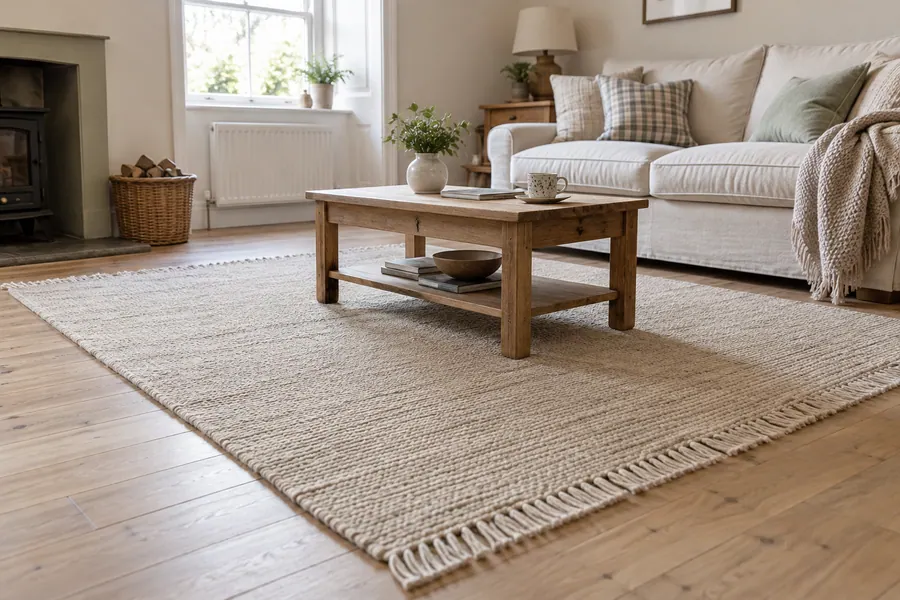
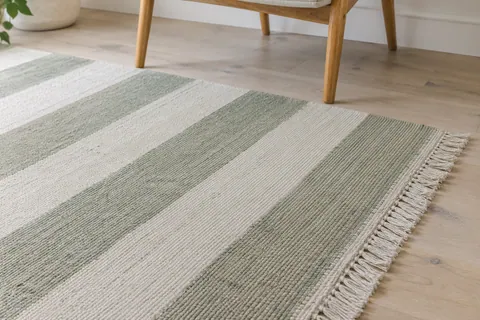
Tell us about the loose rug and what lies beneath it. The supporting floor and underlay are separate from the textile work. Ask about suitable cleaning and arrangements for Ealing.
Say whether the rug normally rests on another floor covering or a smooth floor, and mention a separate pad. Describe any concern underneath without dragging a heavy rug away to investigate. Give the item’s dimensions, label and overall photographs. A rug can move between rooms while the supporting surface stays fixed; the enquiry needs to make clear which surface has the problem and what work is being requested.
Use our fixed carpet cleaning information if that floor also needs attention. Its room dimensions do not establish the loose rug’s price or care requirements.

Show an accessible light corner and label where safe. Mention a cracked, tacky, brittle or separating layer without peeling or scraping it. Identify the pad separately and explain marks or smell noticed there. Leave awkward items in place until handling is discussed. Cleaning the textile does not repair a failing reverse, replace an underlay or automatically correct damage on the supporting floor.
Share wool composition, blends and restrictions. Dyes and backing can affect suitability along with the pile. Mention earlier size or texture changes; wool content alone does not determine the process or aftercare for every construction.
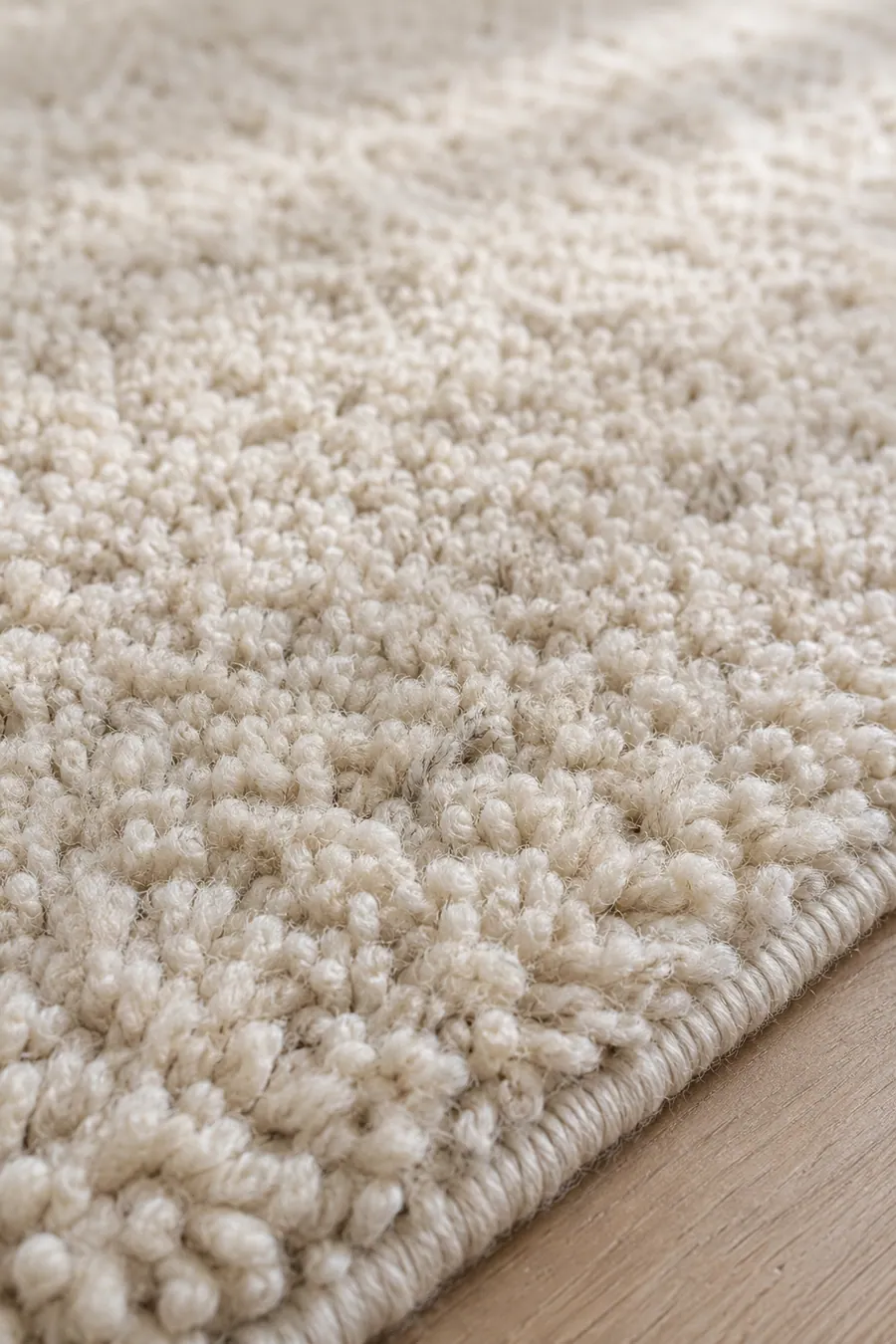
Give composition where known and explain grip coatings or finishes separately. A synthetic face may have reverse layers with other needs. Do not assume everyday robustness means every chemical or cleaning approach is suitable.
Care guidance is needed for cotton, mixed and delicate pieces. Light weight is not automatic permission for domestic machine washing. Explain valuable, silk or antique concerns before booking without assuming cleaning includes specialist restoration, repairs or conservation.
If colour appeared on a pad or floor, describe when and what preceded it. Show the rug’s pattern and any affected threads where accessible. Explain earlier products and ask how dye sensitivity affects suitable work. Do not wet-test an area yourself. Cleaning cannot promise to replace missing colour, reverse bleaching or repair colour damage on a different supporting surface.
Show the perimeter, including fringe that differs from the pile and old repairs. Describe loose strands or open seams before any movement is agreed. Ask what appropriate edge work is included. Do not cut, pull or glue threads to prepare the item. Dirt removal should not be confused with replacing missing construction or promising that a worn border will lie flat.
Give the likely cause and age of marks plus earlier sprays, scrubbing or soaking. For pet accidents, describe repetition and concerns beyond the visible face. Suitable cleaning may leave staining or smell, especially where separate layers are involved. Seating with its own marks needs a separate upholstered furniture request, rather than assuming one textile description covers the whole room.
Extraction and dry or delicate processes are described in carpet and upholstery categories, not as a blanket rug method. Ask which approach suits the known fibres, dyes and reverse, what parts it covers and what limitations apply. Agree the location of treatment and handling. Discuss collection or delivery for the actual address and item, without assuming transport inclusion, a workshop or an at-home appointment.

Keep labels, measurements and previous product information ready. Remove loose objects from the surface and explain where furniture restricts access. Ask about movement before rolling a heavy piece or dragging a table. If other floors and household tasks need ongoing attention, see routine domestic cleaning; those tasks have their own scope rather than forming an automatic addition to rug work.
Rug rates vary according to type and condition. Provide dimensions, fabric, reverse details and requested tasks, including edge or stain concerns. Confirm the complete amount, handling and any applicable extras before booking. Ask about optional treatments separately. Neither a room-based carpet amount nor a sofa tariff is a numerical rug rate, and supporting surfaces should not be silently included.
State your preferred date and relevant entry or access arrangements for the property. Availability and suitable handling require confirmation for the actual address. If the rug will return to a different location, explain that. Nearby pages give information for another enquiry but do not promise the same appointments or arrangements throughout the surrounding districts.
Describe it separately and ask what suitable service and scope apply. Rug work does not automatically include another surface.
Follow advice for the chosen process and construction. Readiness should be considered for the whole item rather than the face alone.
Replacement should not be assumed. Name the pad and its condition explicitly when checking the quoted work.
Explain limited access and discuss handling first. Safely accessible photographs can start the enquiry without forced movement.
No structural correction should be promised. Describe curling and wear separately from dirt so realistic work can be discussed.
Mention both surfaces and the history. Textile cleaning cannot be interpreted as guaranteed repair of dye damage on the supporting floor.
Call with dimensions, backing details and the Ealing postcode. Discuss suitable work, its scope and aftercare before booking.
Generated photographs illustrate rug materials and handling. They are not photographs of actual staff or customer projects.