Star Domestic Cleaners
Menu
LOOSE RUGS · BRENTFORD

Rug Cleaning Brentford

Earlier sprays and washing attempts belong in the enquiry. Tell us what was used and which parts changed afterwards. We can discuss suitable cleaning for your loose rug in Brentford.

  • Earlier products recorded
  • Changes in fabric described
  • Work and limitations clarified

Keep the product name if you have it.

A bottle, receipt or old message may help identify what was applied. State the treated area, approximate date and whether it was scrubbed, rinsed or left to dry. Do not hide an earlier attempt because it did not work; it is part of the item’s condition. Include photographs of the whole rug and its label, along with its length and width in clear units.

A loose item is not priced as the carpeted room. If the fixed floor also needs attention, use our carpet enquiry information and describe that surface separately.

Explain the original problem as well as the remedy.

A product name alone does not tell us what caused the mark. Give the likely spill, approximate age and what changed after treatment. Describe pet-related soiling, repetition and effects on the pad or underside. Some marks and smells can remain after appropriate cleaning. Do not apply another chemical while trying to improve the photograph; the existing condition and treatment history are more useful for a realistic discussion.

Record what happened to the shades.

Say if a pale patch, transferred dye or faded border appeared after a product. Show its location in the pattern and explain any earlier moisture or rubbing. Ask how colour sensitivity affects suitable work. A home dye test does not establish a company procedure and should not be improvised. Cleaning removes suitable soil; it cannot be promised to replace lost dye, reverse bleaching or reproduce the original shade.

Read the fabric information without guessing.

Wool

Give wool blend details and care restrictions when available. Mention roughness, shrinkage or other changes after previous work. The pile, dyes and backing should be considered together rather than choosing a method simply because the label contains wool.

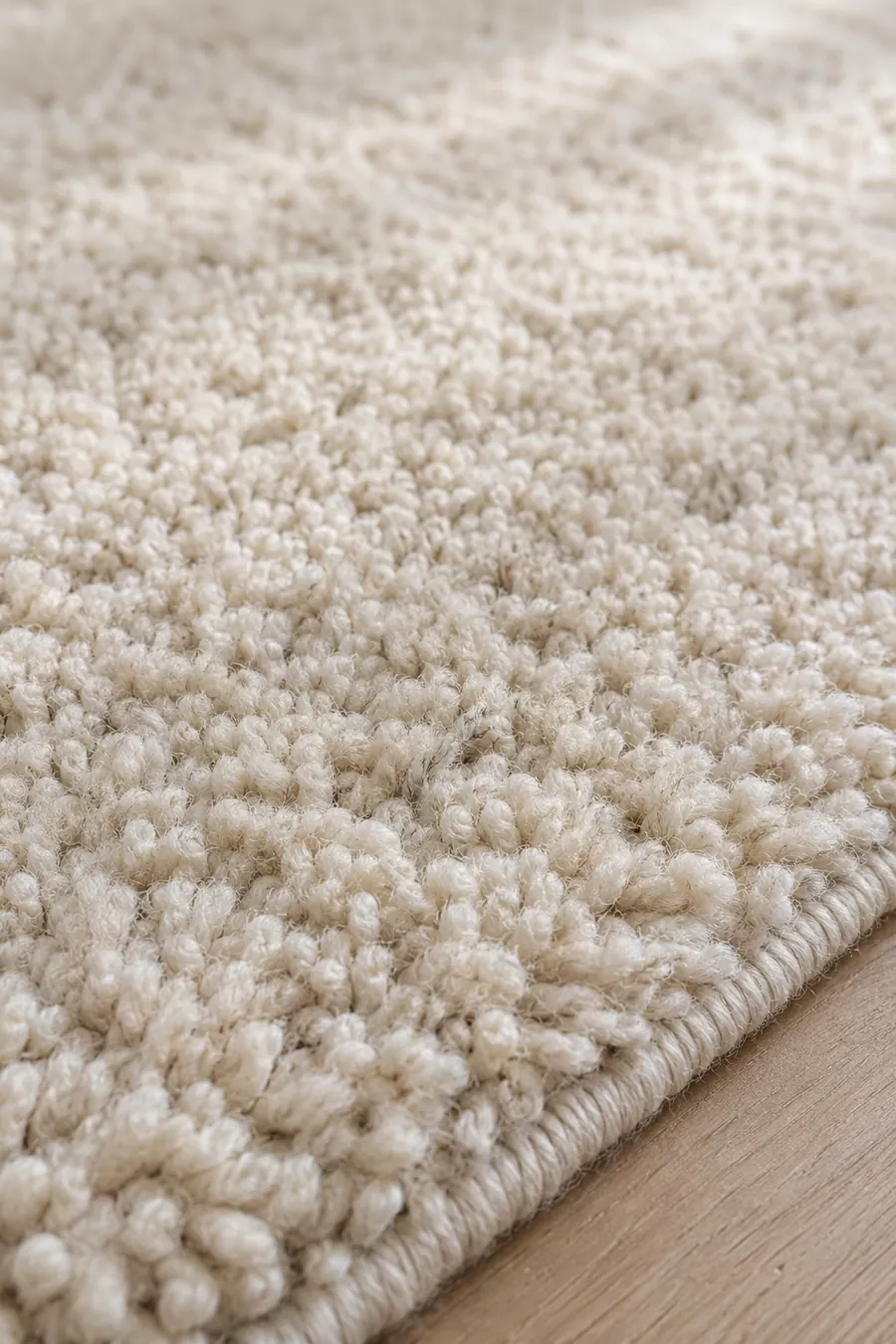
Close detail of short wool rug tufts

Synthetic fibres

Synthetic pile can have a reverse or finish with its own restrictions. Share known coatings and composition, and distinguish reliable information from a guess. Earlier successful use of a spray does not prove that the same product or another process is suitable now.

Cotton and delicate pieces

A thin cotton weave can still have washing restrictions. Explain mixed fibres and finer construction, keeping maker’s instructions available. Ask about suitability for silk, antique or valuable rugs before booking; ordinary cleaning is not established as specialist restoration or repair.

A person lifting a rug corner to look at its backing

Tell us if a product reached the reverse.

If a light corner is accessible, show the underside and label without peeling a layer apart. Mention stiffness, tackiness, cracks or separation and when you noticed them. Leave heavy items where they are and explain limited access. A separate pad and floor beneath should be identified explicitly. Treatment of the rug does not automatically include those surfaces or repair a failing backing.

Describe earlier work around the binding.

Show fringe and borders touched by sprays, brushing or rubbing. Mention loose threads, worn corners and any old repairs. Ask which suitable edge work is included rather than assuming all trim can be treated like the central pile. Do not trim or pull strands before booking. Cleaning cannot replace missing fabric or make a weakened seam secure, even if dirt is removed.

Agree the next approach with the history clear.

The company’s carpet and upholstery information includes extraction and dry or delicate categories, but these are not assigned automatically to every rug. Ask what process is proposed for this construction and earlier treatment, what it covers and what limits apply. Confirm where work will happen, handling and collection or delivery for the actual item. A separate chair needs its own fabric treatment enquiry.

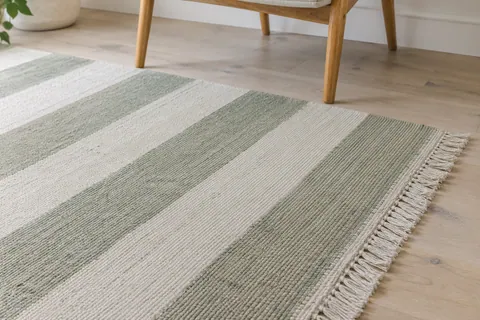
Bound edges of a low-pile area rug on a wood floor

Provide records, not another home experiment.

Clear loose belongings, keep the label and earlier product information ready, and describe furniture on the rug. Ask about movement before lifting heavy furniture or rolling an awkward piece. If surrounding surfaces need attention, specify those tasks through a separate one-off clean. A quotation for a loose textile does not automatically cover shelves, floors or the room where it sits.

Ask what to do after the agreed treatment.

Construction, thickness, process and conditions influence drying. Include backing and fringe in questions about using the rug again. Follow advice on ventilation, position and replacing furniture rather than a fixed overnight assumption. Do not tightly wrap, roll or return a damp item to a sensitive floor. Explain deadlines beforehand; the time spent cleaning does not itself establish when every layer is ready for storage or use.

The condition belongs in the quotation.

Rug rates vary by type and condition. Give dimensions, fabric, backing and mark information with the previous treatment history. Check the total, included tasks, handling and any applicable additional charges before booking. Optional treatments should be explained rather than assumed necessary. Carpet-room and sofa amounts refer to different items, so they are not numerical rates for the loose rug in this enquiry.

Send the Brentford postcode and access details.

State a preferred date and who will provide entry if relevant. Suitable work, availability and handling require confirmation for your actual property. If the rug is elsewhere, give that address information. Nearby pages help with another enquiry but do not establish a local office, shared appointment or identical arrangements throughout the surrounding districts.

Questions after a home cleaning attempt

Should I mention a product that made no difference?

Yes. Its name, application area and approximate date remain useful, even if the visible mark did not change.

Can a dried product be ignored?

Explain it rather than assuming it is irrelevant. Provide the treatment history alongside the rug’s current condition.

Will professional cleaning reverse a pale spray patch?

That cannot be guaranteed. A dye change is different from removable soil and needs describing before suitable work is agreed.

Should I scrub the border before sending photos?

Leave its condition clear. Further rubbing can complicate the enquiry and does not repair worn or loose fabric.

What if I cannot remember the spray name?

Say what you do remember and identify the uncertainty. Approximate timing and what happened afterwards are still worth explaining.

Can the next process be selected from a photograph alone?

Photographs are helpful, but fabric guidance, backing and earlier treatment matter too. Ask about suitability rather than assuming one process from appearance.

Explain what has already been tried.

Call with the treatment history, rug details and Brentford postcode. Discuss suitable next work and a clear item quotation.

Generated photographs illustrate rug materials and handling. They are not photographs of actual staff or customer projects.