
Sofa Cleaning Willesden
If an odour seems strongest in one cushion, say which and explain the incident. Show your Willesden sofa and care guidance. Discuss realistic fabric-work limits, complete costs and suitable booking dates.
- Cushion construction explained
- Repeated incidents disclosed
- Realistic limits requested
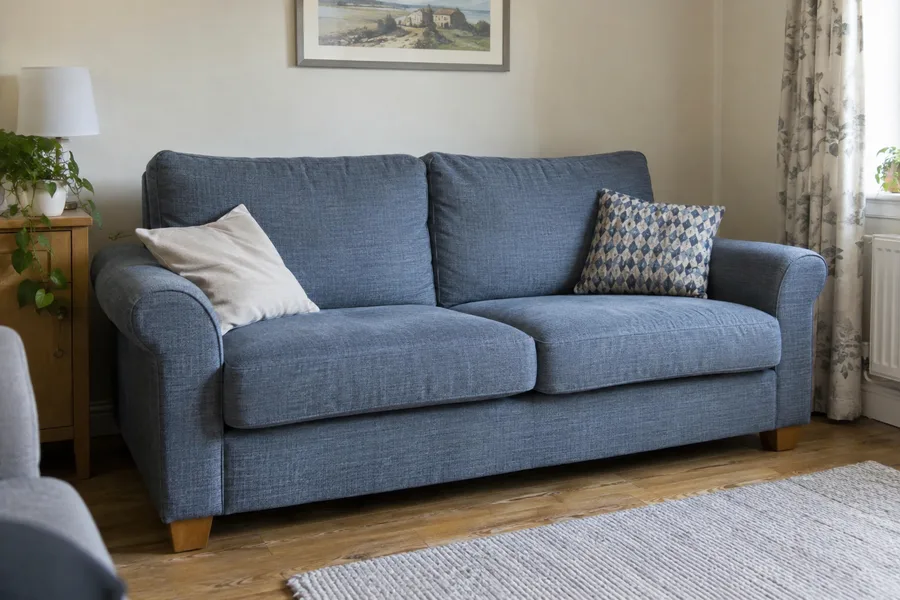
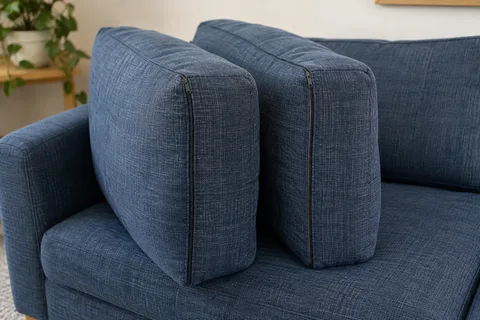
Identify the cushion where the smell is strongest
If the smell seems strongest in one cushion, identify that piece and explain the incident as accurately as possible. Show the sofa arrangement and describe whether the cushion lifts out. A fabric-cleaning enquiry should not assume that every layer of filling can be treated. The source and history of the smell matter when discussing realistic limits.
Explain the pet incident and repetition
Give the approximate date and where the incident happened. Say if soiling has repeated or if the smell predates your ownership. Explain what products were applied afterwards. All stains and odours cannot be promised away, particularly where the source remains uncertain. Fading, weak seams and other damage may persist even after suitable work on the cover.
List the cushion faces requested
Show whether the affected seat lifts out and identify fixed arms, backs and any other cushions requested. Confirm upper faces, undersides and edges. Cleaning does not rebuild damaged padding or replace a zip. If a pet-used armchair also needs work, request the broader furniture-care service and explain its own condition.
Describe the smell without diagnosing the filling
Say where the odour seems strongest and whether it changes when a cushion is lifted in ordinary use. Explain the known pet incident and earlier products, but do not cut seams or open the pad to demonstrate it. If the source is uncertain, keep that uncertainty in the enquiry. A fabric-cover treatment can then be discussed with appropriate limits rather than a promise to decontaminate every internal layer. Identify other affected surfaces separately so the quoted work does not become an undefined request to remove every smell from the room.
Separate the cover guidance from the filling question
Photograph the accessible label and identify whether it describes the cover or another part. Explain any replacement fabric and a different reverse face. If material information is missing, state that. A smell from within a cushion does not identify the fibre so discuss the cover treatment and the filling concern separately.

Discuss suitable fabric treatment and its limits

Hot water extraction and dry cleaning for delicate fabrics are sofa options. Ask what suits the real cover and what can be addressed given the incident described. Professional fabric care does not imply treatment of every inner layer. Report previous deodorising and cleaning products so the proposed work and possible limits can be discussed honestly.
Keep the piece identifiable without opening it
Put personal objects, throws and pet items away from the working area. Describe room entry and any side that is hard to reach. Discuss lightweight movement and raise heavy access needs before the day. General housekeeping can be requested as a separate home clean, with the sofa fabric scope clearly distinguished.
Arrange alternative seating for people and pets
Ask about positioning the treated cushion and when it can be replaced or used. The typical one-to-two-hour work guide varies; it is separate from the drying and return-to-use advice. Method, fabric, filling and room conditions affect readiness. If pet-related carpet work is also requested, provide its incident history and keep its aftercare separate.
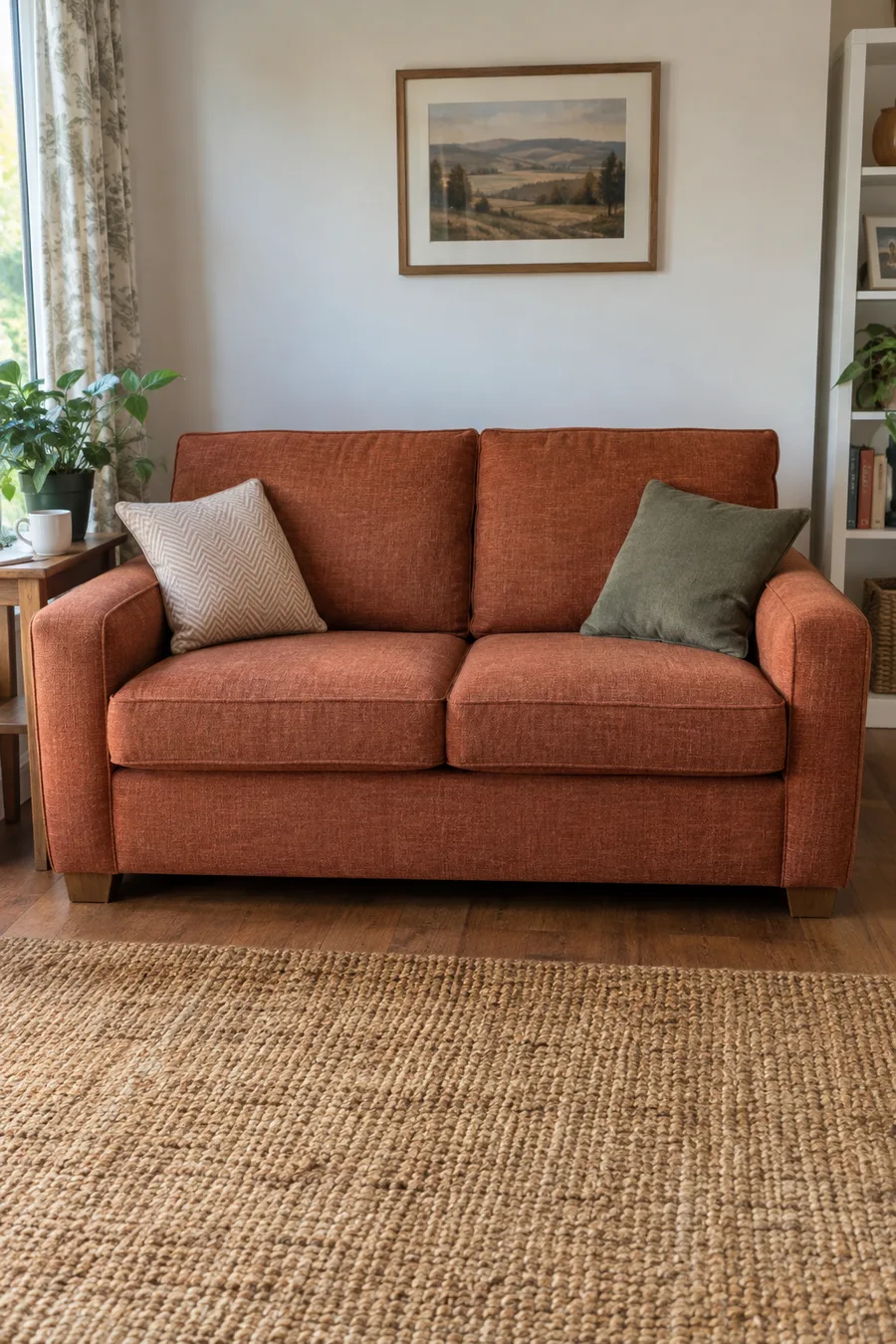
Confirm the actual fabric work and cost
Starting amounts below compare two-seat and three-seat sofa items under extraction and dry/delicate treatment. They do not promise a pet-odour remedy or fixed inner-cushion price. Describe all requested surfaces for the full quotation. Confirm stain work, optional protection and any applicable congestion charge, with realistic scope and limits understood before booking.
| Sofa | Hot water extraction | Dry / delicates |
|---|---|---|
| Two-seater | £36 | £42 |
| Three-seater | £102 | £114 |
Starting figures depend on size, condition, area and availability. Applicable congestion charges are extra. Ask for the total for your sofa and the method suitable for its fabric.
Check a date with the incident history
Send the Willesden postcode, sofa views and cushion history when asking about dates. Say who can give entry and answer questions about the incident and care information. Ask which appointments are available for your address. Keep the agreed surfaces and limitations with the item list so everyone understands what is being requested.
Questions about a sofa where pet odour seems to come from a cushion
Does a cover clean guarantee the filling will lose its smell?
No. Explain the source and incident, then ask what can reasonably be addressed within the proposed fabric work.
Should I open the filling to show the problem?
Keep the cushion intact and describe what you have noticed. Do not cut seams or dismantle it for the enquiry.
What if the pet incident has happened repeatedly?
State that history and the affected locations. Repetition is useful background when discussing realistic limits.
Can pet-used chairs be added?
List each as separate furniture with its own material and condition. Ask about scope and cost instead of assuming inclusion.
When can the pet sit there again?
Arrange another resting place and follow return-to-use guidance for the treated fabric and method.
Is there a fixed published odour-removal charge?
No separate tariff is assumed here. Ask for the complete agreed item work and price with its limitations clear.
How should I describe an uncertain cushion odour source?
Say where the smell seems strongest and whether that changes when the cushion is lifted in ordinary use. Give known incident and product history without opening the filling or cutting seams. State uncertainty about the source. A realistic cover-treatment discussion should not become a promise to address every inner layer, and other affected surfaces should be identified separately in the requested work.
Odour source described.
Call with the cushion history and sofa fabric information. Discuss realistic treatment limits, requested surfaces and the complete quotation for your Willesden address.
Generated photographs illustrate sofas and cleaning situations. They are not actual staff or customer-job photographs.