Star Domestic Cleaners
Menu
RUG CARE · WILLESDEN

Rug Cleaning Willesden

Has a home product left a ring or changed the feel of your rug? Explain the earlier treatment before booking more work. We’ll discuss what may be cleaning, what may be damage and the options for your Willesden enquiry.

  • Previous products recorded
  • Colour changes distinguished from dirt
  • Suitability checked before a quote

Tell us what has already been tried.

Include the product name if you have it, where it was applied and whether the patch was rubbed, rinsed or left to dry. Explain any change in texture, colour or shape afterwards. An overall photograph plus a close view of the affected area gives more context than a picture of the stain alone. Do not add another treatment while trying to make the first result less visible.

The aim is to describe the present condition and agree sensible work. A ring can involve residue, moisture movement or a colour change; its cause cannot be established from a brief description. Make clear if the concern is on a loose rug or the fitted carpet underneath, since they need separate assessment.

A pale area may involve lost colour.

Show where the shade differs from the surrounding pile and say when you noticed it. Sun fading, wear and a reaction to an earlier product are not simply extra dirt. Colour that has run from a border into another section is a different concern again. Ask how the existing change affects suitable treatment. Cleaning should not be described as putting dye back or restoring the original design.

Separate the original accident from the later treatment.

Give the likely spill and approximate age, then describe what happened next. A drink, oily food or ink may leave a permanent stain as well as removable soiling. Pet-related marks can affect more than the face of the rug, especially after repeated incidents. Explain any odour, stained pad or affected floor. Neither a cleaning appointment nor a stronger process guarantees that every mark or smell will disappear.

The fibre name is only one part of the decision.

Wool with a changed feel

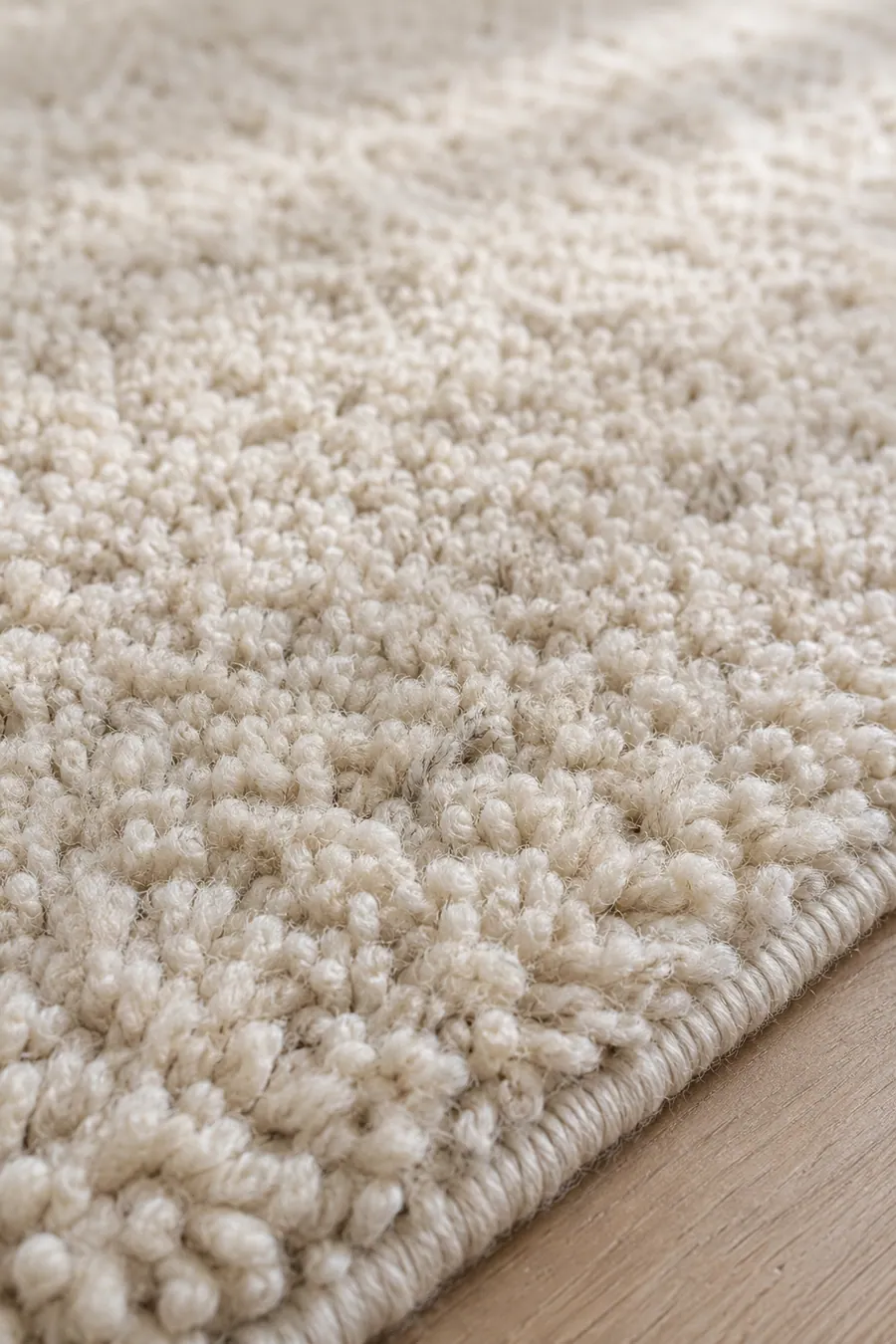
A wool rug can have different dyes, finishes and backings. Share the care instructions, blends and past cleaning history. Mention stiffness or an altered pile, but do not assume these changes can be undone. Suitable work must take the whole construction into account.

Close detail of short wool rug tufts

Synthetic fibres with residue

State the fibre shown on the label, if known. A synthetic face may sit over a coating that responds differently to moisture or products. Product residue does not prove that another wash is appropriate. Describe the reverse and any restrictions as well as the pile.

Cotton and uncertain delicate material

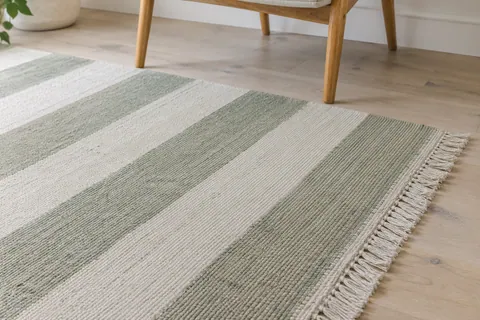
Cotton flatweaves may include coloured yarns and trims with separate care needs. Unknown, silk, antique or valuable pieces require a suitability discussion. Routine cleaning is not specialist restoration, and a thin item should not be assumed safe for a domestic washing machine.

A person lifting a rug corner to look at its backing

Note dampness, stiffness or separation below.

Describe an accessible reverse without peeling, scraping or pulling it. If an earlier spill or wash reached the backing, explain how the item was dried and what changed. Include a separate grip pad or underlay in the enquiry if it has a problem. A layer coming apart is damage which cleaning may not resolve. Leave a heavy or fragile rug in place until safe handling has been discussed.

Show the boundary of the affected area.

A mark across fringe, binding or a contrasting border may involve materials different from the main pile. Photograph the edges and say if stitching was already loose. Ask what attention to these parts is included and what cannot reasonably be attempted. Missing tassels, a torn bound edge or a distorted seam are not removed by stain treatment. Avoid trimming the damage before it has been described.

A second process is not automatically a better answer.

Our carpet and upholstery pages describe extraction and dry cleaning. A rug already treated at home needs its own suitability discussion before further work is agreed. Discuss suitability, the material restrictions and the limits of further work. Ask what is proposed and why, rather than requesting the most intensive process by name.

Clarify the location of treatment, collection or return arrangements and any preparation. We advertise rug collection and delivery, but their practical scope needs agreement for your address. If earlier products were also used on a chair or sofa, use the furniture-fabric enquiry to provide that separate history.

Cleaner checking a small mark on a loose rug with a cloth

Keep the information, not extra cleaning products, ready.

Gather labels, photographs and details of previous work. Clear small belongings from accessible parts of the rug and explain furniture that blocks it. Do not move awkward items to expose the reverse just for a photograph. List surrounding dusting or floor work through ordinary household cleaning if needed; that service should not be mistaken for specialist rug treatment.

Explain any difficulty after the previous wash.

Say whether the rug stayed damp, was rolled too early or developed a smell while covered. Those details help with a practical aftercare discussion; they do not establish a diagnosis. Ask when the whole item, including the reverse, can return to use. Thickness and conditions affect advice, so there is no fixed drying period for every rug. Avoid rolling, covering or replacing it until the agreed guidance allows this.

The quotation needs the treatment history.

Rates depend on type and condition. Dimensions, photographs, previous products and existing damage all help explain the request. Ask for the total, what it covers and any applicable handling charges. A room carpet price is not a rug tariff. Where further cleaning has limitations, establish those before booking rather than interpreting the quote as a promise to remove all evidence of earlier treatment.

Discuss the Willesden postcode and access.

Provide the actual address details, preferred timing and any relevant entrance or lifting restriction. Availability and handling are confirmed through the enquiry rather than promised by the district name. Nearby pages are for other addresses you may be arranging; they do not imply a separate local office or a guaranteed collection route.

Questions after a rug has already been treated

Does the old product name matter?

It can help explain the history. Keep its label or name if available and say exactly where it was used.

Can you remove a ring left by home cleaning?

Describe the ring and the treatment. Residue, permanent colour change and other causes have different limits; removal is not guaranteed.

Should I rinse the patch before calling?

Avoid adding more treatment to investigate. Share the existing condition and ask what preparation is appropriate.

Does stiffness mean the rug is ruined?

A brief description cannot establish the cause. Explain when it changed and what was applied before agreeing further work.

Can a pale patch be dyed during cleaning?

This service does not promise dye replacement or restoration. Identify colour loss separately from soiling.

Will another clean fix a loose backing?

Cleaning is not a backing repair. Point out separation or damage so that suitable work and handling can be discussed.

Bring the treatment history to the enquiry.

Call about the Willesden address with the rug size, photographs and the products already used. Ask about realistic next steps.

Generated photographs illustrate rug materials and handling. They are not photographs of actual staff or customer projects.